IPTV for Women’s Basketball Fans: How to Watch Legally in 2026
Women’s basketball fans use IPTV to watch games over the internet instead of through cable or satellite, but the legal way to do it is through official broadcaster apps and licensed streaming services, not through unlicensed UK IPTV reseller panels that rebroadcast paid sports without rights. That’s the honest answer up front. IPTV itself is just a delivery method, the same technology your broadband provider uses, and there are completely legitimate ways to follow women’s basketball with it. There are also grey-market versions that get sold cheaply, and pretending those don’t exist would be dishonest. This guide walks through both, so you know exactly what you’re paying for and what you’re risking.
What IPTV for Women’s Basketball Fans Actually Means
IPTV stands for Internet Protocol Television. Instead of a signal coming down a coaxial cable or off a satellite dish, the video arrives as data over your internet connection, the same pipe that loads your email. So when someone talks about IPTV for women’s basketball fans, they’re really just describing watching the sport through an internet stream rather than a traditional TV box.
That’s worth slowing down on, because the word “IPTV” gets thrown around like it means something shady. It doesn’t. The official app from a league or a broadcaster is technically IPTV. A licensed streaming service you pay monthly for is IPTV. The mechanism is neutral. What matters is whether the people sending you the stream actually hold the rights to show that game. When they do, you’re fine. When they don’t, that’s where the trouble starts, and we’ll be straight with you about it later in this piece.
Why Women’s Basketball Fans Are Turning to Streaming in 2026
The honest reason is access. For years, a lot of women’s basketball coverage was buried on channels people didn’t have, or scheduled at times that didn’t suit, or simply not carried in certain regions at all. Streaming changed that. A fan in one country can now follow a league based in another, often through an official service, without needing a specific cable package they’d never otherwise buy.
The second reason is cost and flexibility. Traditional pay-TV bundles you into a year-long contract for hundreds of channels you’ll never watch, just to get the few you care about. Streaming lets you pick. That appeal is exactly why IPTV for women’s basketball fans has become such a common search, people want the games without the baggage of a full satellite subscription, and they want to watch on a phone or a laptop, not just the living room TV.
The Legal Way: Where Women’s Basketball Fans Should Watch
Let’s be direct, because this is the part that protects you. The safe, legal route is always the official one. Leagues and competitions sell their broadcast rights to specific partners in each territory, and those partners run apps and websites where you can watch, sometimes free with ads, sometimes behind a modest subscription.
Here’s how a careful fan finds the right one without guessing.
Pro Tip: Start at the league’s own website, not a search engine. Most major women’s basketball competitions publish a “how to watch” or “broadcast partners” page that tells you exactly which official service covers your country. That single page saves you from the entire grey market.
Checking Broadcast Rights Before You Pay
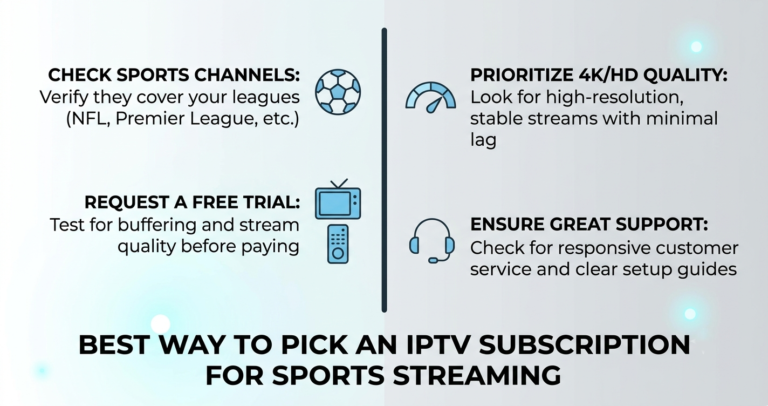
Rights change season to season, and they change by country. A service that legally showed a league last year might not hold those rights this year, and a service that’s official in one nation might be completely unlicensed in yours. So the habit to build is simple: before you pay anyone for IPTV for women’s basketball fans, confirm on the league’s official channels that the service you’re considering is a named, authorised partner.
If a provider is charging a suspiciously low price for “every game, every league, all sports,” that’s your signal. No legitimate rights-holder can offer the entire global sports calendar for the price of a coffee, because the underlying broadcast licences cost a fortune. When the maths doesn’t add up, the rights usually aren’t there.
The Grey Area, Explained Honestly
Now the part most guides skip. There’s a large market of cheap IPTV subscriptions and reseller panels that bundle thousands of live channels, including paid sports, for a few pounds a month. Watching live sport that’s been rebroadcast this way, without the rights-holder’s permission, sits in a legal grey-to-black area depending on your country, and the law has been tightening.
We’re not going to write you a guide on how to do that, and not out of preachiness. It’s that the risk lands on you. These services vanish without warning, take your payment and disappear, offer no refunds, and in some regions accessing them carries real legal consequences. So when this article talks about reseller panels below, it’s talking about the legitimate, infrastructure side of that business, not a how-to for pirating live games. That distinction matters, and we’ll keep it clear.
Devices Women’s Basketball Fans Use for IPTV
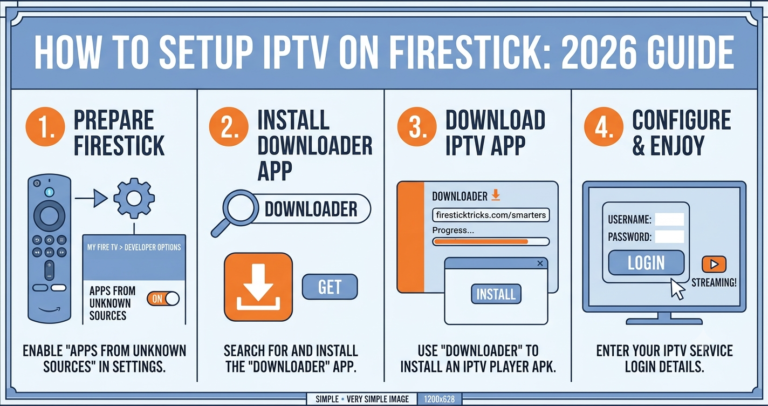
Whatever route you choose, the hardware is the easy part, because legitimate streaming apps run on gear you almost certainly already own. You don’t need to buy anything special to watch women’s basketball through an official service.
Below is a quick comparison of the most common setups and what each is best suited to.
| Device | Best For | Setup Effort |
|---|---|---|
| Smart TV app | Living-room viewing on the big screen | Low |
| Streaming stick | Adding apps to an older TV | Low |
| Phone or tablet | Watching on the move | Very low |
| Laptop or PC | Multitasking, second screen | Very low |
The point of the table is reassurance. People assume IPTV means a complicated box and a wall of wires. For the legal services women’s basketball fans actually use, it’s usually just downloading an app and signing in. If you ever do work with a provider, a good one supplies a plain setup guide rather than leaving you to figure it out, and reputable operators like britishseller.co.uk are one example among several that publish step-by-step instructions for exactly this reason.
Internet Speed and Quality for Women’s Basketball Streaming
Fast-moving sport is the toughest test for any stream, and basketball is about as fast as it gets. A slow or unstable connection shows up as blur, stutter, or that dreaded buffering wheel right as a play breaks. So before you blame a service, check your connection.
As a rough guide, standard definition needs only a few megabits per second, high definition wants around ten, and 4K asks for roughly twenty-five or more. Those are the numbers that decide whether IPTV for women’s basketball fans looks crisp or looks like a slideshow.
Pro Tip: Plug your streaming device into the router with an ethernet cable if you can, especially for live games. Wi-Fi is convenient but drops packets, and a wired connection is the single biggest upgrade most people can make to stop mid-game freezing, no new subscription required.
If your speeds are fine and the stream still struggles, the bottleneck is on the provider’s side, which is exactly why the legitimacy and quality of who you’re paying matters as much as your broadband.
The Reseller Side: How the IPTV Business Actually Works
Here’s where it’s worth pulling back the curtain on the industry itself, because plenty of readers searching for IPTV for women’s basketball fans are quietly wondering whether there’s a business in it. There is, but the legitimate version is about infrastructure and service, not piracy.
A reseller panel is a dashboard. An established provider runs the servers and handles the technical heavy lifting, and a reseller buys credits to create and manage customer accounts under their own brand. One credit typically equals one month of service for one connection. The reseller sets their own retail price and keeps the margin. That’s the model in plain terms.
What a Legitimate Reseller Operation Looks Like
The legitimate end of this market focuses on things that are genuinely lawful to sell: access to free-to-air and properly licensed content, plus the service layer around it, setup help, support, billing, and reliability. If you want to understand the mechanics without the sales gloss, a clear primer like the one on what an IPTV reseller panel is lays out how the credit system, the dashboard, and customer management fit together.
The trap to avoid is obvious once you’ve read this far. A reseller who advertises “all live sport, every league, dirt cheap” is selling rebroadcast rights they don’t hold, and that’s the part that gets people in trouble. A UK IPTV reseller who builds a real service around legitimate content and honest support is running an actual business. The difference isn’t the technology, it’s what’s being sold through it.
Pro Tip: If you’re seriously weighing the reseller route, don’t compete on price. The operators who last build a niche and a reputation, and they stay firmly on the legitimate side of the content line. Cheap and shady burns out fast and can land you in legal hot water; reliable and lawful compounds.
Common Mistakes Women’s Basketball Fans Make With IPTV
The biggest mistake is assuming cheap means smart. A two-pound-a-month service promising every game on earth isn’t a bargain, it’s a liability that’ll disappear with your money or expose you legally. Paying a fair price to a legitimate, licensed service is the actual smart move for any serious fan of IPTV for women’s basketball fans.
The second mistake is blaming the wrong thing for poor quality. Before you assume a service is bad, rule out your own connection, your Wi-Fi, your device, and peak-hour congestion. Half the “this stream is terrible” complaints trace back to a router that needed a restart, not the provider. And if you want to understand the technical groundwork properly, browsing a provider’s IPTV installation guide before you commit tells you a lot about how serious and transparent they are.
The third mistake is skipping the rights check entirely. Fans get excited, see a service that claims to carry their league, and pay without confirming it’s an authorised partner. Two minutes on the league’s official page would have answered it. Build that habit and you sidestep almost every problem in this whole market.
Putting It Together for Women’s Basketball Fans
So where does that leave you. IPTV for women’s basketball fans is real, useful, and increasingly the natural way to follow the sport, as long as you go through legitimate, rights-holding services. The technology is neutral and the devices are simple. The thing that separates a good experience from a costly mistake is who you choose to pay and whether they actually hold the rights to what they’re streaming.
Conclusion
The short version of everything above: IPTV for women’s basketball fans is just internet-based TV, and there’s nothing risky about the method itself. The risk lives entirely in the choice of provider. Go through official broadcaster apps and properly licensed services, confirm the rights before you pay, check your own connection before you blame the stream, and treat any “everything for nothing” offer as the warning sign it is.
Do that, and you get the games you love in good quality without the legal headaches or the vanishing-provider scams. Whether you’re watching as a fan or thinking about the legitimate business side, the same rule holds throughout: stay on the lawful side of the content line, and the rest takes care of itself.
Execution Checklists
For the Subscriber (the fan watching at home):
- Find the league’s official “how to watch” page first, before searching anywhere else.
- Confirm the streaming service is a named, authorised partner in your country.
- Run a speed test: aim for 10 Mbps for HD, 25 Mbps or more for 4K.
- Use a wired ethernet connection for live games where possible.
- Walk through any provider’s setup guide before paying, to judge how transparent they are.
- Treat “every league, every sport, two pounds a month” as a red flag, not a deal.
For the Reseller (running the business):
- Sell only legitimate, licensed, and free-to-air content, never rebroadcast paid sport without rights.
- Read a clear reseller-panel primer so you understand the credit and dashboard model fully.
- Pick a niche and a reputation rather than competing purely on the lowest price.
- Provide a plain, written setup guide so customers aren’t left guessing.
- Track your credit balance and customer accounts in real time through the dashboard.
- Keep support responsive; reliability is what earns repeat business and referrals.
For the Sub-Reseller (building under an existing reseller):
- Confirm exactly what content you’re authorised to sell before taking a single customer.
- Understand your credit cost and set a retail price that leaves a sensible margin.
- Lean on the parent reseller’s setup guides and support resources instead of reinventing them.
- Start small with a modest credit batch and scale only once you have steady demand.
- Keep clean records of which customer maps to which account for renewals.
- Stay firmly on the legitimate content line; the legal risk of crossing it lands on you, not your supplier.